Cluster Flies in Autumn: Why They Pick the Same Welsh Homes
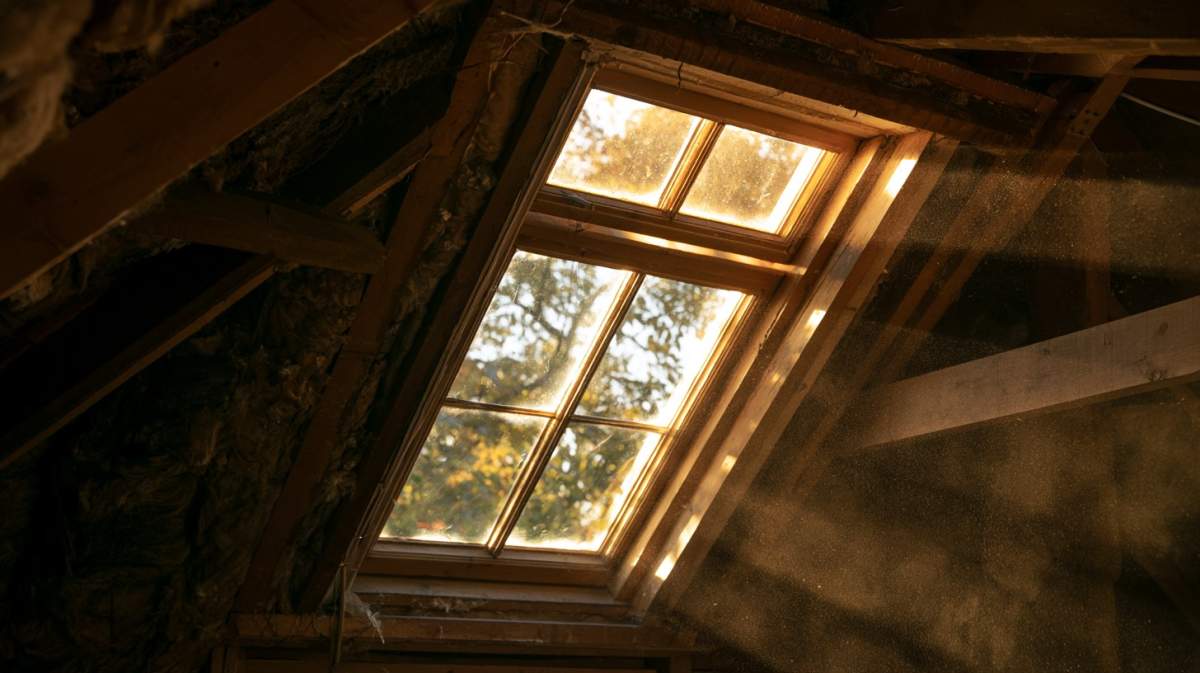
You go up into the loft for the Christmas decorations and there are hundreds of them. Slow, dozy, piling up in the corners and along the window of the gable end, some alive, plenty not. You get rid of the lot, feel thoroughly grim about it, and next October they're back. Same loft, same corner, same everything.
They're not breeding up there
The first thing worth knowing, because it changes what you do about it: cluster flies aren't living in your loft in the sense of feeding and reproducing there. They're overwintering. Their life cycle plays out in the fields around you, and as the weather turns they look for somewhere sheltered and stable to sit out the cold. A roof space is close to perfect.
That's also why they arrive all at once and why they seem so lethargic. They're not thriving, they're dormant. And on a mild sunny day in January you'll get a few waking up and finding their way down into a bedroom, which is usually the point at which people ring us.
Why yours, and not next door's
This is the question everyone asks, and the pattern we see is consistent. It's rarely random. Houses that get cluster flies tend to have open countryside or pasture nearby, a warm sunlit elevation, often on a warm, sunlit elevation, and a roof space with plenty of small gaps at the eaves, ridge or around the fascia.
They also come back. In our experience the same buildings get them year after year, and neighbouring properties with a different aspect or a tighter roofline get nothing. If you've moved into a house and inherited the problem, you've likely inherited a building the local population has been using for a long time.
The honest bit about what you can achieve
We'll be straight with you, because plenty in our trade aren't. You will not permanently rid a rural Welsh property of cluster flies. The source is the surrounding land, not your house, and there's no treatment that changes that. Anyone promising a permanent fix is overselling.
What is achievable is reducing the numbers substantially and stopping them getting into your living space. That's a real improvement, and for most people it's the difference between an annoyance and a genuine problem.
What they aren't
Worth clearing up, because people arrive at this convinced of the worst. Cluster flies are not a hygiene problem. They aren't breeding in a dead animal in your loft, which is the fear we hear most often, and they aren't a sign that anything has died up there. They are not generally regarded as a significant public-health risk in the way houseflies around food are, because their life cycle is associated with soil and earthworms rather than refuse. They're just present, in numbers, and unpleasant to look at.
If you genuinely do have a smell alongside them, that's a different problem and worth investigating separately, because a bird or rodent that has died in a roof space attracts an entirely different set of insects.
What actually helps
Check for bats before treating or sealing a loft. All bats and their roosts are legally protected in Wales. Insecticide treatment, blocking access or other work that could disturb bats or damage a roost may require advice from Natural Resources Wales and, in some cases, a licence.
Proofing does the heavy lifting: sealing gaps at the eaves and around the fascia, fitting or repairing insect mesh on vents, making sure the loft hatch seals properly so anything that does get in stays in the loft rather than dropping into the landing. A well-timed treatment of the roof space before or during their arrival cuts numbers dramatically for that season, and may need repeating in a later season if proofing cannot prevent fresh entry.
Vacuum out the accumulation rather than sweeping it, and empty the vacuum outside. Dead flies attract other insects, so clearing them properly saves you a second problem in spring.
If you're getting them in a commercial building, and we see this in rural offices and farm conversions, the same logic applies at a bigger scale. Our fly control page has more, and our pest control page covers how we work across the region.
Get in touch
Dreading opening the loft hatch this year? Get in touch and we'll treat and proof it before they arrive.