PAT Testing vs EICR: What's the Difference, and Which Do You Need?
If you run a business or let out property, you've probably come across both "PAT testing" and "EICR", and if you've ever wondered whether they're the same thing, two names for the same job, or two completely separate checks, you're far from alone. It's one of the most common mix-ups we come across. The short answer is that they're two different things covering two different parts of your electrics, and most premises need both. Here's how to tell them apart.
What PAT testing covers
PAT, Portable Appliance Testing, is about the electrical equipment that plugs into your sockets. Kettles, computers, extension leads, power tools, fridges, lamps: anything with a plug on the end. A PAT test checks each of those items is safe to use, through a visual inspection and, where needed, some electrical testing, and leaves you with a record of what was tested. There's more on exactly what's involved in our guide to what PAT testing is.
What an EICR covers
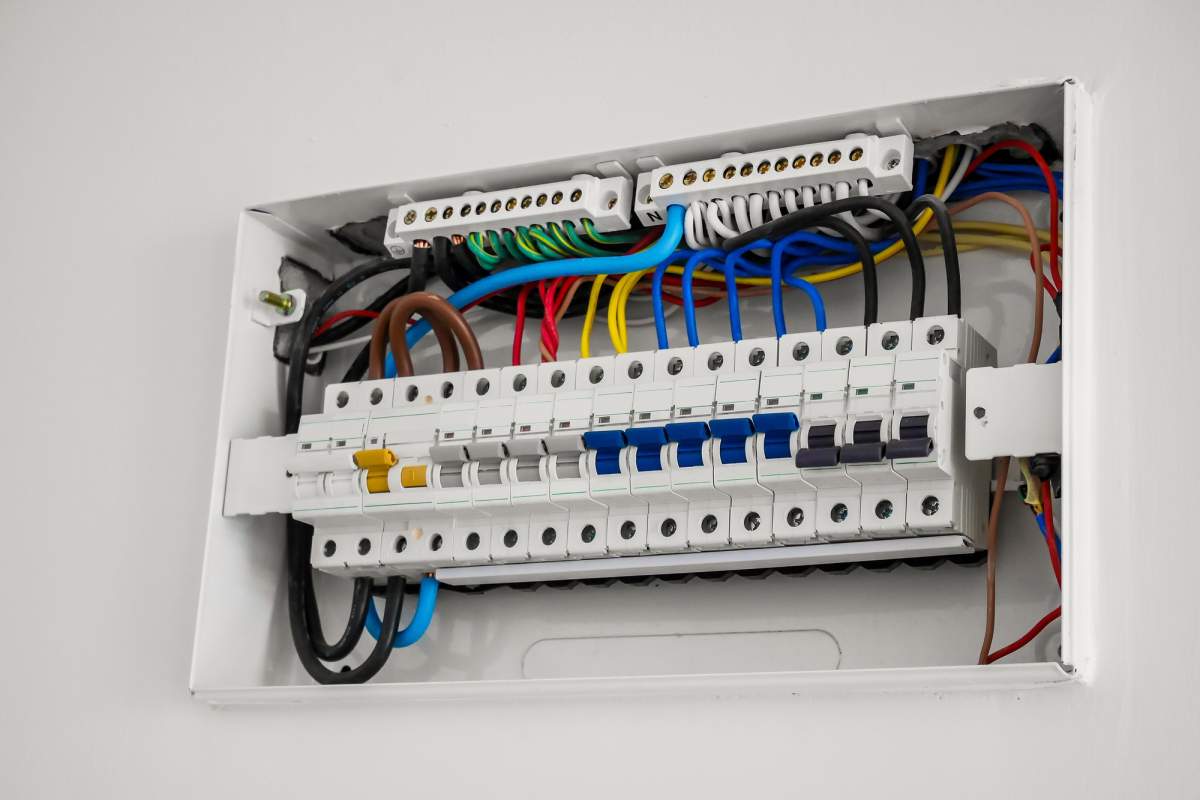
An EICR, Electrical Installation Condition Report, is about the fixed electrical installation in the building itself: the wiring, the sockets and switches, and the consumer unit (the fuse box). None of that plugs in; it's built into the fabric of the property. An EICR is a periodic inspection and test of that installation by a qualified electrician, resulting in a report on its condition and whether any remedial work is needed. It's a bigger, more involved check than a PAT test, and it's carried out by an electrician rather than a PAT tester.
An easy way to remember it
If it helps: PAT testing is for the things you plug in, and an EICR is for the things that are wired in. PAT covers the appliances; the EICR covers the installation they plug into. One looks after your kettle and your computer; the other looks after the sockets and wiring behind them. They don't really overlap at all, which is exactly why most premises need both, rather than one instead of the other.
Which do you need?
For most businesses, the answer is both, on different cycles. Your portable appliances are kept safe through PAT testing on a risk-based schedule, while the fixed installation is checked periodically by an electrician with an EICR. Both feed into the same overall duty to keep your premises electrically safe, and both give you paperwork your insurer and any auditor will want to see.
The position for landlords in Wales
Landlords have a particular reason to get this right, because in Wales the two are treated very differently in law. The fixed installation is not optional: under the Renting Homes (Wales) Act 2016, rented homes must have the electrical installation inspected and tested at least every five years, with an EICR provided to the person renting the property. That's a firm legal requirement.
PAT testing of the appliances you supply, the cooker, the washing machine, the kettle, isn't separately written into law in the same way, but you still have a general duty to make sure those appliances are safe, and PAT testing is the recognised way to show it. So for a Welsh landlord, the EICR is the legal must-do, and PAT testing is the sensible, expected way of covering the appliances alongside it. There's more on all of this in our guide to PAT testing for landlords and holiday lets.
How we can help
To be clear about what we do: PreventaShock handles the PAT testing side, the portable appliances, across South Wales, for businesses, landlords and holiday lets alike. An EICR on the fixed installation is a separate job for a qualified electrician, so that's not something we carry out ourselves, but knowing the difference means you can make sure both are covered. If it's the appliance side you need sorting, take a look at our PAT testing service, or get in touch and we'll help you work out what's right for your premises.
Related PreventaPest service: Find out about PreventaPest portable appliance testing for organisations and landlords.