Second-Hand Appliances at Work: Test Before You Trust
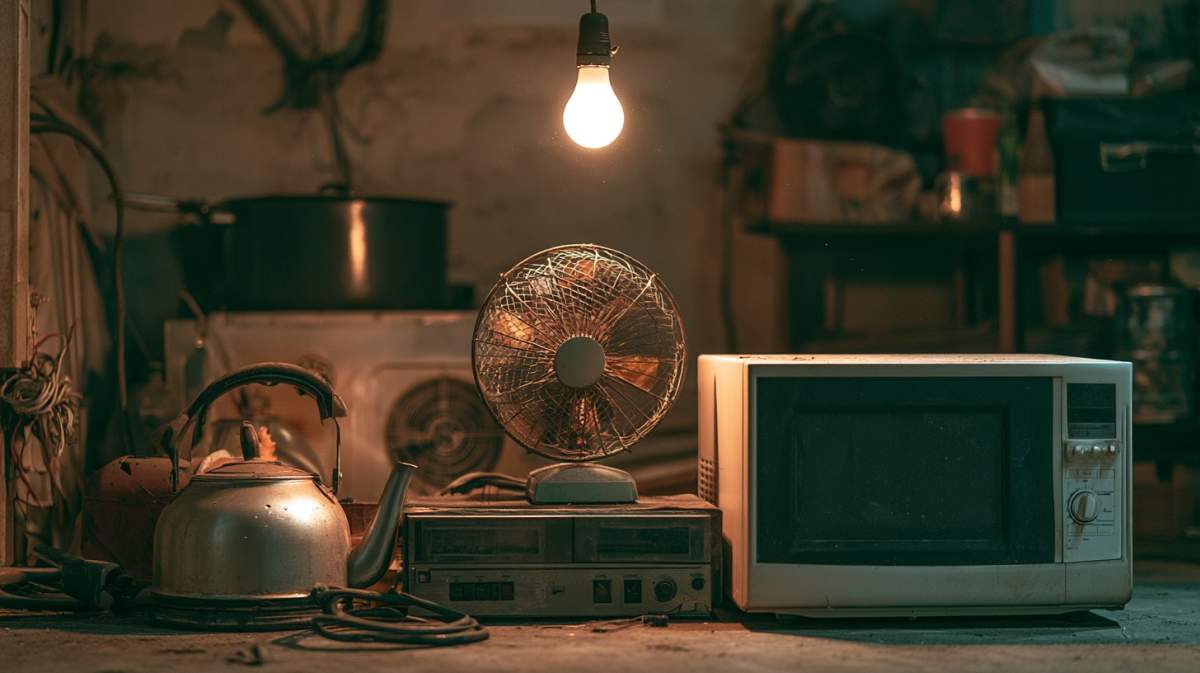
The unit came with a fridge in the corner and a microwave on the counter. Someone donated a kettle. The office next door was clearing out and you took two desk fans and a heater off them, because why wouldn't you. Not one of those items has a receipt, a manual, or the faintest idea of its own history, and their unknown condition and history justify a careful check before anyone relies on them.
Why used equipment is different
New equipment arrives with a chain of accountability behind it. Someone designed it to a standard, someone manufactured it, and the HSE's position is that new equipment should be supplied in a safe condition and not require a formal portable appliance inspection or test. You can reasonably rely on that.
Second-hand sellers may still have product-safety and contractual responsibilities, depending on the transaction, but the item's service history is often incomplete. You may not know how it was used, whether it was dropped, whether the plug was rewired by someone competent, whether it was recalled, or whether it was got rid of precisely because it had started playing up. The absence of information is the risk. Your duty under the Electricity at Work Regulations to maintain equipment so as to prevent danger doesn't soften because something was free.
The four ways it gets in
Inherited with the premises. The most common. Ownership of anything left by a previous tenant depends on the lease and handover arrangements. From a safety perspective, make sure responsibility is agreed before your staff use it.
Bought used. Catering equipment, workshop machinery, office furniture with integrated power. Auction and clearance purchases can provide less service-history information, so check the terms and budget for an appropriate safety assessment.
Donated. Very common in charities, clubs, community groups and schools. A donated appliance is a gift with a duty attached.
Brought in by staff. The heater in winter, the fan in summer, the lamp somebody's had since university. It becomes your responsibility the moment it's plugged into your socket, whatever the ownership.
What to do with it
Inspect it before it goes into service and check for recalls, damage, unsuitable repairs and missing safety information. A competent person should carry out electrical testing where the item's class, condition, history or intended environment makes testing necessary. Formal PAT is not automatically required for every used item.
Then put it on the register with a note of where it came from, and set its inspection and testing interval from the risk assessment and revise that interval in light of findings, use and condition. And be willing to bin things. A donated heater of uncertain age is not a bargain, and the polite thing to do with a well-meant gift is sometimes to say thank you and quietly retire it.
The policy that saves you the argument
One line in your staff handbook: personal and second-hand electrical items must be checked before use. It takes the awkwardness out of it, because nobody's being singled out, and it closes the gap that most registers have. Village halls, clubs and schools particularly benefit from having it written down somewhere.
Our PAT testing page covers how we handle one-off checks as well as scheduled visits.
Get in touch
Taken on premises with equipment you know nothing about? Get in touch and we'll check it before you rely on it.