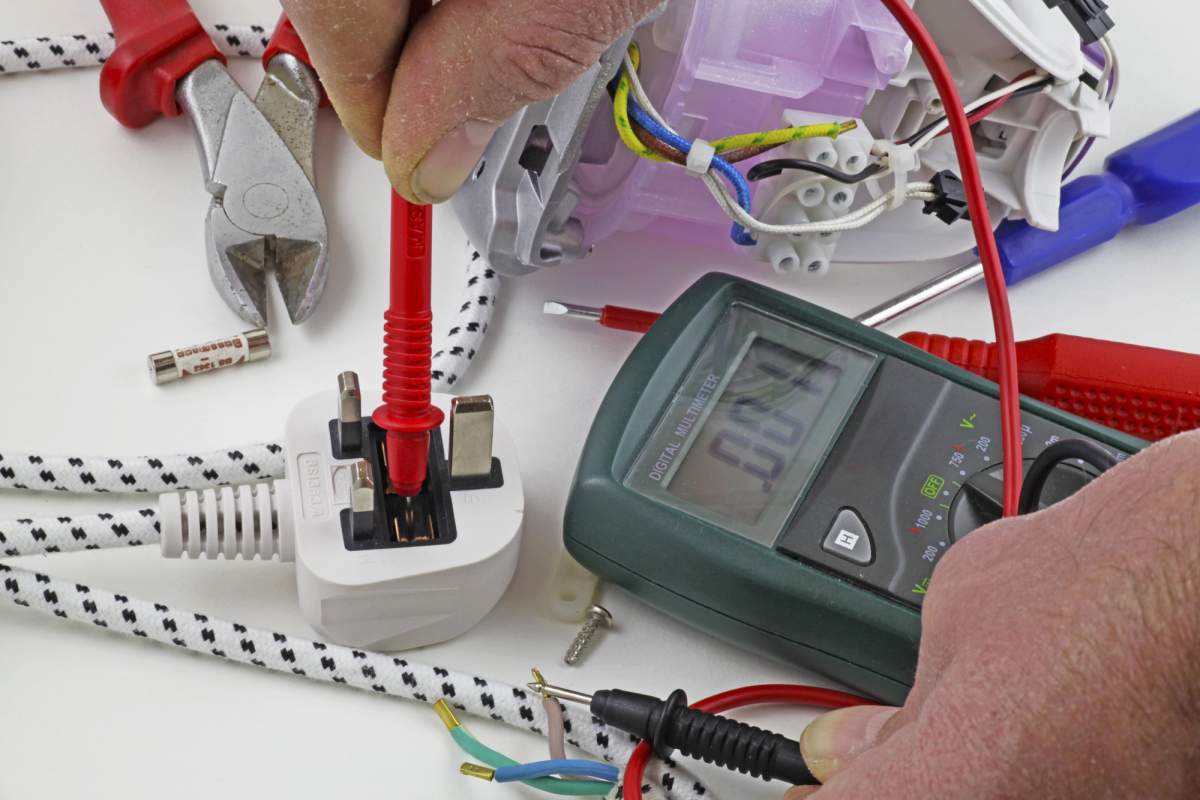
What Does PAT Testing Cost? The Things That Actually Change the Price
Ring three PAT testing companies and you'll get three prices that look nothing alike: pence per item from one, a day rate from another, a "from" price from a third that mysteriously grows once someone's on site. None of them is necessarily dishonest. They're just answering different questions. So here's the pricing conversation we'd have with you anyway, had in public.
The per-item price is real, but it isn't the price
Most PAT testing is quoted per appliance, and per-item rates fall as the count rises, because the expensive part of a visit is getting an engineer and their kit to your door, not the ninetieth test of the day. Which is why the headline rate tells you so little on its own. A very low per-item price with a high minimum charge can cost a small office more than a sensibly priced job. When you compare quotes, compare the total for your actual premises, not the number in the advert.
What genuinely moves the price up or down
Four things, in roughly this order. Item count, as above. Access: equipment spread across multiple floors, locked rooms or occupied desks takes longer than a single open-plan office, and time is what you're really buying. Timing: if your premises can only be tested outside working hours, a kitchen, a surgery, a shop floor, expect that reflected in the price, though it's usually cheaper than the disruption of testing mid-service. And failures: a good company will tell you up front what happens when an item fails, whether a repair like a new plug or fuse is included, and what a retest costs. That last one is where vague quotes go to become expensive.
The questions worth asking before you accept any quote
Is there a minimum charge, and what does it cover? Are minor repairs included or charged? Are the records and certificate included, and do you get an itemised register or just a pass sheet? Is the engineer's travel included for your postcode? A company with clean answers to those four questions is quoting; a company without them is estimating, and you'll find out the difference on the invoice.
The part that saves you money: testing less
Here's the admission you won't hear in most sales calls. Some of what's on your register may not need testing at all this year. The law behind PAT testing, the Electricity at Work Regulations 1989, sets no interval whatsoever, and the Health and Safety Executive is blunt that the regulations don't make annual testing a legal requirement. Brand new equipment doesn't need a formal test either, just a visual check. A sensible testing company builds you a risk-based schedule, hard-working kit like kettles, extension leads and power tools tested frequently, static double-insulated equipment less so, and your total cost falls year on year as the schedule matures. If a quote assumes everything, every year, forever, you're not buying safety, you're buying habit.
So what should you budget?
We'd be doing exactly what we've just criticised if we printed one number here and let it stand for every premises in Wales. What we will promise is a fixed, itemised quote before we arrive, based on your real item count and layout, with repairs, records and certificate included and no growth on the day. There's more on how the service works on our PAT testing page, including how we handle offices and other workplaces.
Get in touch
Tell us roughly what you've got and where, and we'll give you a straight price for the whole job, not a rate that needs a calculator and an act of faith.