Christmas Lights at Work: When to Inspect Them and Consider PAT Testing
The decorations come out of the cupboard, somebody finds an extension lead, and the reception desk looks festive before lunch. What often gets missed is the condition of the lights after eleven months in storage.
Before you plug them in at work, check the set, its power supply and the place you intend to use it. A test label from last Christmas cannot tell you what happened to a cable when the box was pushed behind a filing cabinet.
Start with the equipment in front of you
With the lights unplugged, look for damaged insulation, loose parts, cracks, scorch marks and a crushed or damaged plug. Check the transformer or power supply as well as the light string. If something looks damaged, keep it out of use and get competent advice. Do not test whether a suspect cable still works by switching it on.
Find the instructions. Confirm whether the set is intended for indoors or outdoors and follow the manufacturer's restrictions on connecting sets together. Electrical Safety First's Christmas-light guidance puts particular emphasis on suitability, storage damage and avoiding overloaded sockets.
Keep the power supply and connections where the instructions require them. An outdoor-rated string of lights does not automatically make every associated plug, extension or transformer suitable for rain. Electrical Safety First advises 30mA RCD protection for outdoor lights; ask a competent person to confirm the supply arrangements if you are unsure.
Decide where PAT testing belongs
There is no special rule requiring every office Christmas decoration to receive an annual PAT test. The useful question is whether your existing maintenance arrangements cover this equipment and its risks.
For a set that has been moved between branches, used by the public or stored in poor conditions, a competent inspection may be sensible before reuse. Other equipment may need a different combination of checks and testing. Tell your testing provider what you have rather than asking for stickers on an unidentified box.
Our commercial PAT testing service can help you include seasonal equipment in a practical maintenance plan.
Plan the display before hiding the cables
A safe set can still be used badly. Think about the route to the socket before you attach decorations. Keep leads away from door edges, chair wheels and walking routes. Do not cover electrical fittings with flammable decorations or bury connections where nobody can inspect them.
If there are not enough suitable sockets, review the display. Adding another adaptor is not a substitute for checking the proposed load and supply. Our guide to extension leads and common PAT problem areas explains why the accessories deserve attention too.
Give one person responsibility for switching the display off and reporting damage. Agree what happens when the building closes, then label the arrangement clearly enough for the last person out to follow it.
Make next year's job easier
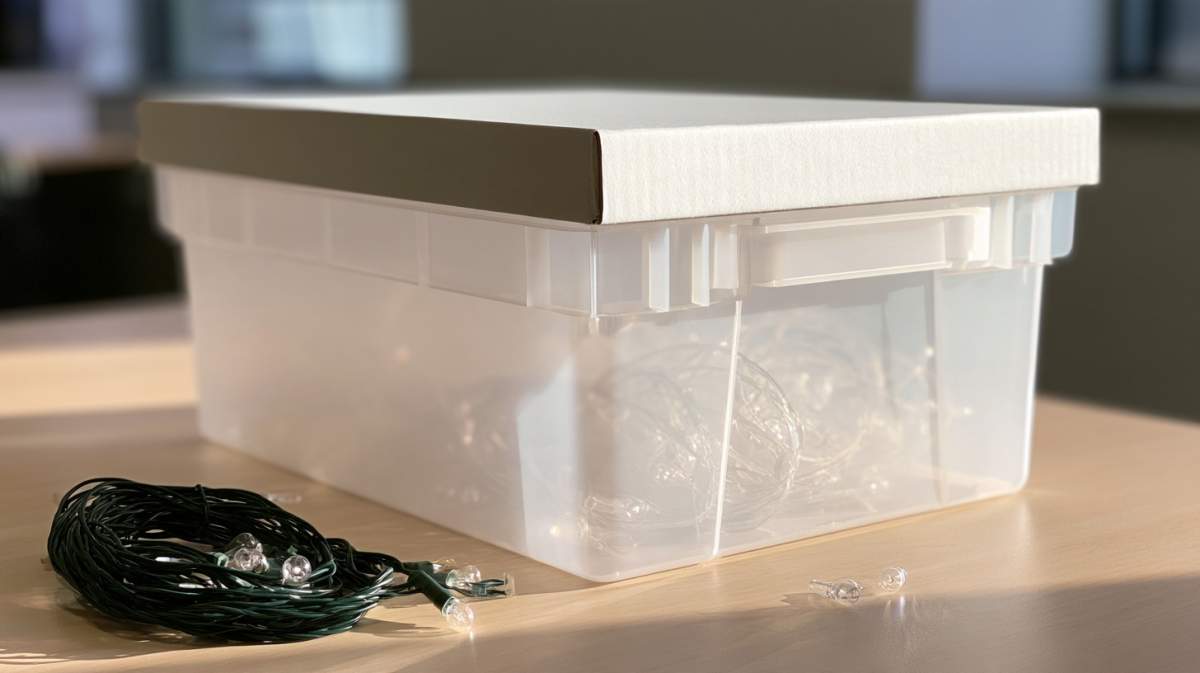
Keep the instructions with the lights. When you take the display down, identify damaged items before they disappear into storage. Store dry equipment without crushing cables, and retain an equipment reference if the set appears in your maintenance records.
Frequently Asked Questions
Battery-only lights do not normally need mains electrical PAT tests. Check their condition and battery compartment, and consider any separate mains charger or adaptor within your electrical maintenance arrangements.
Apply your workplace equipment policy first. Ownership does not establish suitability, condition or permission to connect them.
Get your seasonal equipment checked
Need advice on including Christmas lights and other seasonal equipment in your testing visit? Contact PreventaShock with your location and an outline of the items.