Confidential Waste for Solicitors and Accountants in Wales
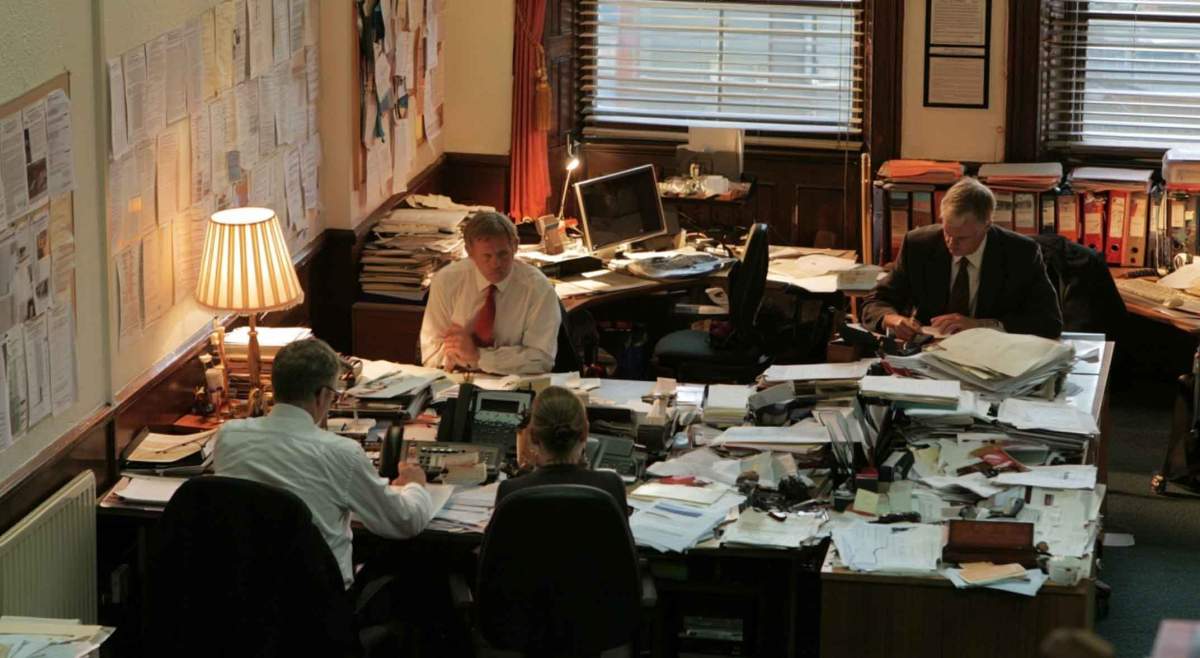
Every professional practice has the room. The one with the closed files, the boxes labelled in a retired partner's handwriting, the archive that has quietly annexed the space where the bikes were supposed to go. If you run a legal or accountancy firm, that room is different from everyone else's clutter in one important way: nearly every sheet of paper in it is somebody's confidential business, and your regulator, your insurer and the ICO all care what happens to it next.
Why your paper is a different class of problem
A shop's confidential waste is mostly its own. Yours is your clients': conveyancing files with bank details, wills, tax returns, payroll runs, medical details inside litigation bundles, company accounts before they were public. When you dispose of it, you're not tidying your own records, you're handling other people's personal data, and the ICO's guidance for organisations is specific about the standard: locked storage for paper awaiting destruction, proper shredding, and destruction certificates from any third party you use. An open recycling bin behind the office meets none of that, and "the cleaner deals with it" is not a disposal policy you'd want to read aloud at a tribunal.
The retention trap: keeping too long is also a decision
Professional firms almost never destroy too early; the failure mode is the opposite. Files are kept forever "just in case", and forever is its own risk: data protection law expects personal data to be kept no longer than needed, and every year a file sits in the archive is another year it can be lost, flooded or stolen. The baseline for accounting records is well signposted, six years from the end of the financial year for companies, and client work carries its own professional retention periods depending on the matter, your regulator's guidance and your insurer's requirements. We're shredders, not solicitors, so we won't tell you what those periods are for each matter type. What we will say is that the firms who handle this well all do the same thing: a written retention schedule, a destruction date on every closed file, and a standing arrangement that actually destroys them when the date arrives.
What a sensible arrangement looks like
Lockable consoles or secure bags in the office, so the day-to-day confidential waste, the printed drafts, the spare copies, the misprints, never sits in an open bin at all. Scheduled collections at whatever rhythm suits the practice. And for the archive room, periodic clear-outs by destruction date, with a Duty of Care Waste Transfer Note when we collect and a Certificate of Destruction for every consignment. That certificate is the point of the whole exercise: it converts "we got rid of the old files" into documented, dated proof of compliant destruction, filed where your practice manager can find it. If you're building the retention schedule first, our guide to how long to keep business records covers the general timescales.
One more thing, because it's the question we're asked in every professional office: yes, the same collection can take old hard drives, backup tapes and phones, with the same certificate. The filing cabinet isn't the only place client data goes to linger.
Get in touch
Ready to turn the archive room back into a room? Get in touch and we'll set up secure consoles, scheduled collections or a one-off clear-out, with the paperwork your regulator would expect. There's more on our confidential waste destruction page.