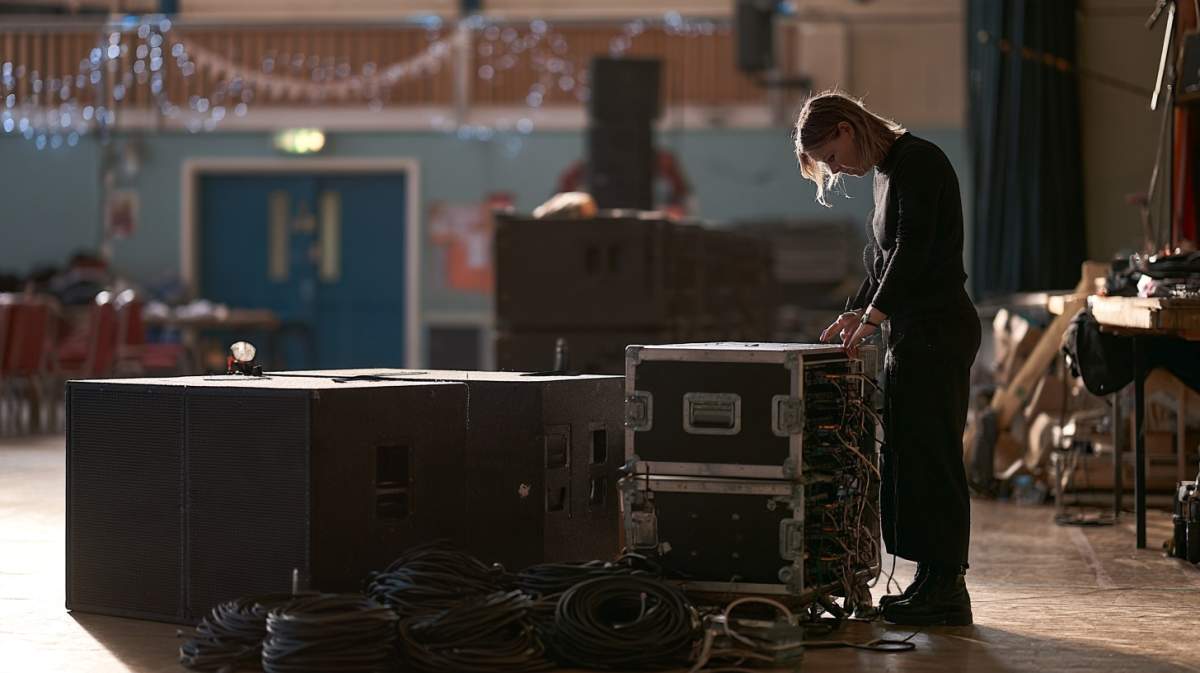
Hiring Electrical Equipment for a Christmas Event: Who Checks Its Safety?
The sound system belongs to the hire company. The sockets belong to the venue. The extension leads belong to a volunteer. When something looks wrong during setup, who is supposed to make the decision?
Agree that before the equipment arrives. Hiring equipment does not remove the need to check that it is suitable, in good condition and used as intended.
Ask the supplier what you are receiving
Get an item list, the intended use and the instructions. Explain whether the equipment will be used indoors, under cover or outside. Mention public access, catering areas and any likely exposure to wet weather.
Ask what inspection and maintenance has been carried out, what records are available and how defects should be reported. A label can help identify an item, but it is not the whole handover.
HSE's work-equipment guidance distinguishes suppliers' responsibilities from the user's day-to-day checks. The practical answer is a clear agreement, rather than an assumption that whoever supplied the equipment remains responsible for everything.
Include the venue in the conversation
Tell the venue what you intend to connect. The supply, available capacity and cable routes need considering separately from the condition of individual appliances.
Do not promise a trader that a socket can run their equipment until the appropriate person has checked the arrangement. A portable-appliance test does not certify the temporary installation, distribution system or the venue's fixed wiring.
Your booking agreement may set requirements beyond the general law. Ask for those requirements early enough to obtain the right evidence. Our existing guide to PAT testing for events and outdoor traders covers the broader planning questions.
Make a simple arrival check
Match the equipment to the list. Look for damage, missing parts and instructions that do not match the item. Check that the supplier has provided the correct associated leads and power supplies.
If a plug is broken or a cable is damaged, stop that item being used and contact the supplier. Do not let somebody repair it informally because the first guests are due in twenty minutes.
Keep unsuitable equipment separate so it cannot accidentally return to the setup area. Record the problem and the replacement arrangement. A useful hire handover records the item reference, owner, supplied lead or power unit, condition on arrival, maintenance information and supplier contact. Repeat the condition check at return so damage is reported to the right owner.
Name someone who can stop the setup
Your event lead should know who can accept equipment, who can authorise changes and who contacts the supplier. Share those names with volunteers and venue staff.
This matters when additional equipment appears on the day. A borrowed urn or heater should go through the same agreed process, rather than being plugged into the nearest free connection.
Frequently Asked Questions
There is no single universal label age for every event. Check the organiser's conditions, the hire agreement and the maintenance evidence relevant to the equipment.
Only if that responsibility and the necessary competence have been agreed. Do not assume a caretaker or booking administrator is providing an electrical assessment.
Arrange testing before setup day
For equipment you own and maintain, PreventaShock offers commercial PAT testing across South Wales. Tell us about the equipment and event requirements while there is still time to deal with problems.